Categories / Databases & Backend
Databases & Backend
A curated collection of the best hosted databases and backend services that handle data storage and server logic, used by developers building web and mobile apps — 17 tools on Founderkit.
17 tools
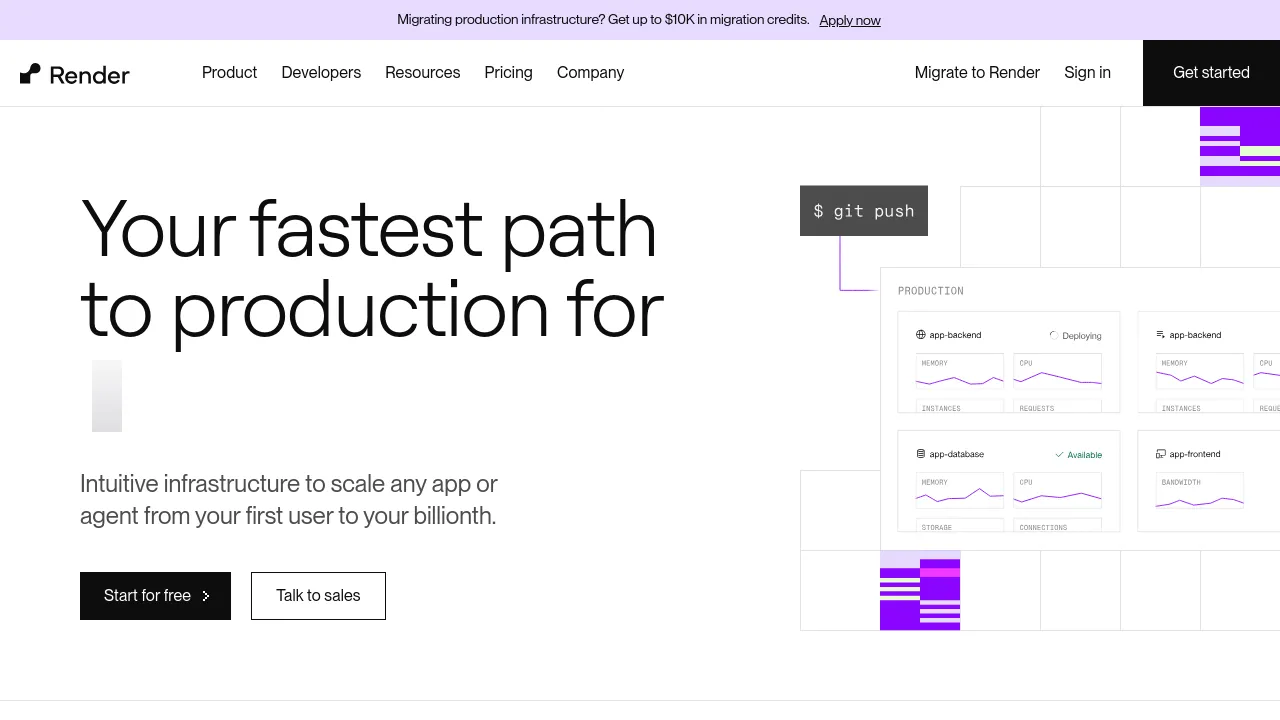
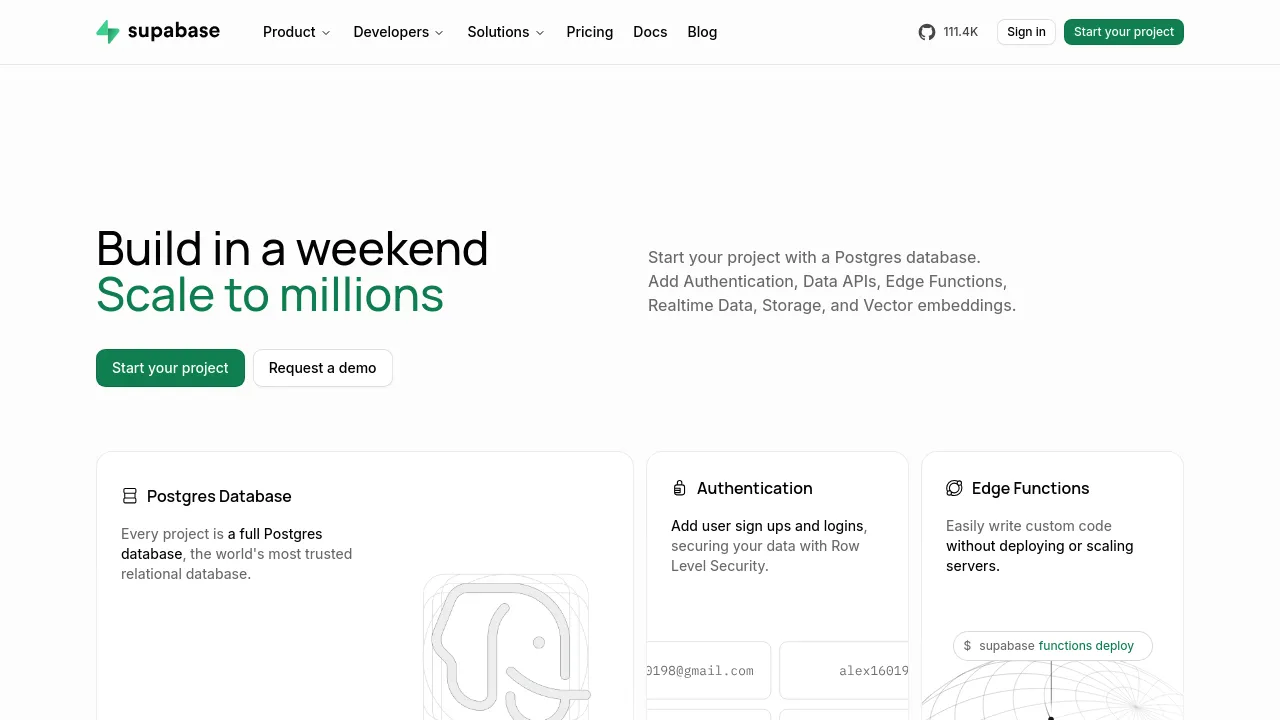

Databases and backend tools are the foundation your application sits on: hosted relational and document databases, backend-as-a-service platforms bundling auth and storage, caches, queues, and the edge-native data stores built for globally distributed apps.
The category spans a wide maturity range. Managed Postgres and MySQL services are the boring, reliable middle. Backend-as-a-service platforms trade control for development speed — database, auth, and APIs in one product. At the edges sit the specialized stores: time-series, vector, graph, and analytics databases that exist because a general-purpose DB handles their workload badly.
When choosing, prefer boring for your primary store — your main database is the hardest thing to migrate later. Check backup and restore procedures (test a restore, not just the docs), connection limits under your deployment model, and data residency if it matters. Pricing models vary wildly: per-query, per-GB, per-instance — model your actual workload.
Frequently asked questions
- Postgres or something else — does the database choice matter early on?
- Postgres is the default answer for a reason: it handles relational data, JSON documents, full-text search, and geospatial in one reliable system. Reach for something specialized — a document store, a vector DB, an analytics column store — when you can name the specific workload Postgres can't do.
- What's a backend-as-a-service and do I want one?
- It bundles database, auth, storage, and APIs into one hosted product — you skip writing a backend for standard CRUD apps. You want one when speed matters more than architectural control. The trade is vendor lock-in: your app's shape becomes their schema and rules.
- When should I add a cache or a queue?
- When you can point at the specific thing that's slow or unreliable. Caching before you've measured a slow read is guessing; a queue before jobs fail or time out adds machinery nobody needs. The tools are cheap to add later — premature infrastructure isn't.
- How worried should I be about serverless/edge databases?
- Less than the skeptics say, more than the vendors admit. Edge databases genuinely fix read latency for global apps. The caveats are real though: eventual consistency models, new failure modes, and less mature tooling. Great for read-heavy apps; think hard before putting complex transactions there.
New tools, once a week.
One weekly email with curated tools and founder insights. Unsubscribe anytime. Check our privacy policy.