Categories / Security & Compliance
Security & compliance
A curated collection of the best tools for managing access controls and audit requirements, used by IT teams and companies that handle sensitive customer data — 33 tools on Founderkit.
33 tools
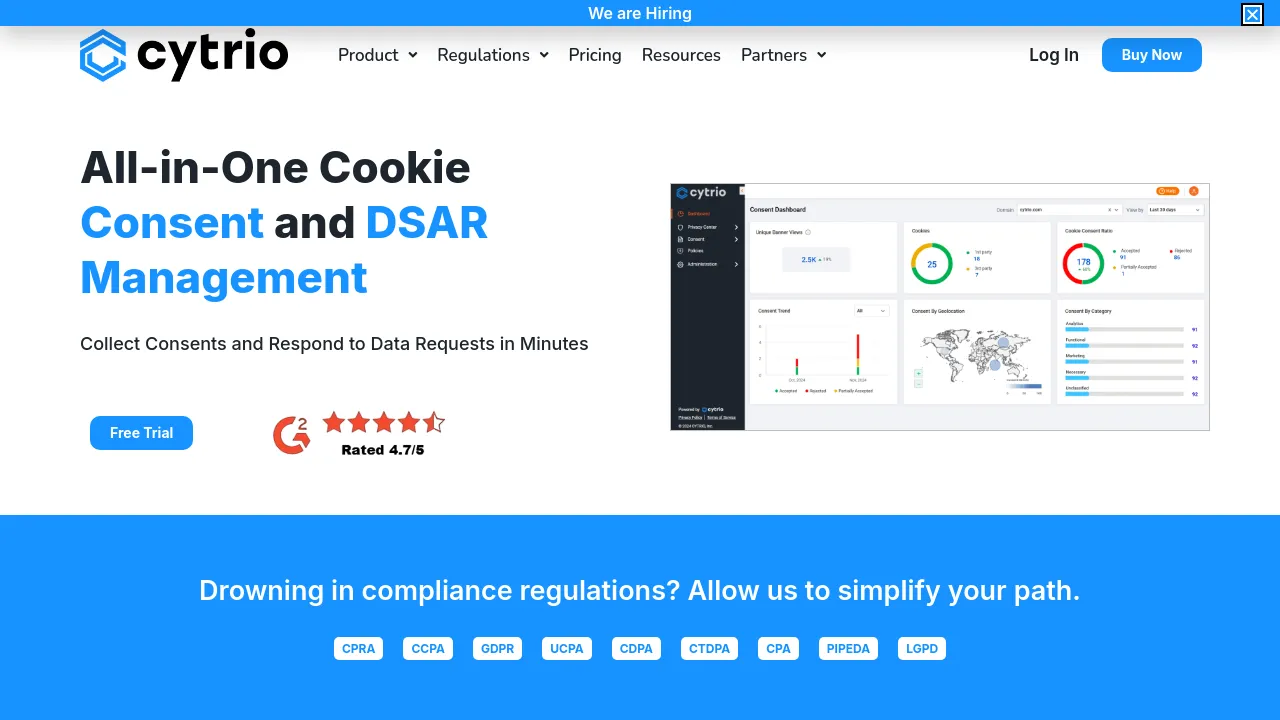
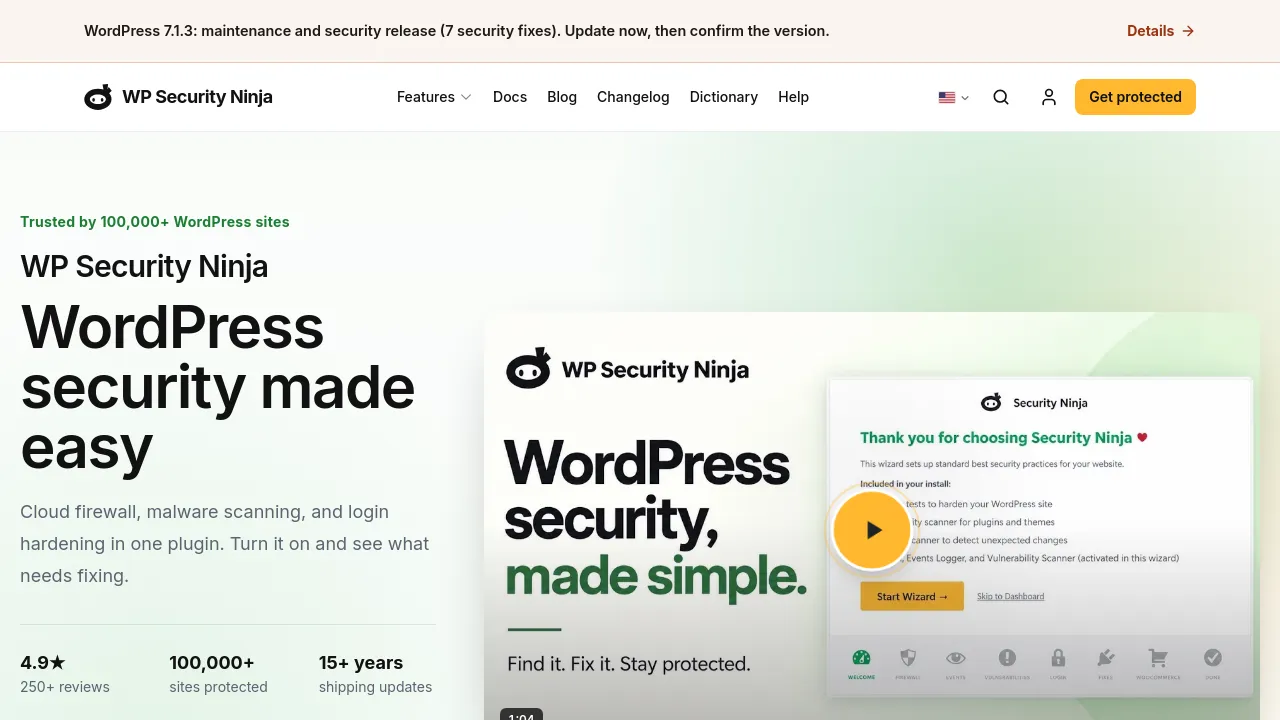
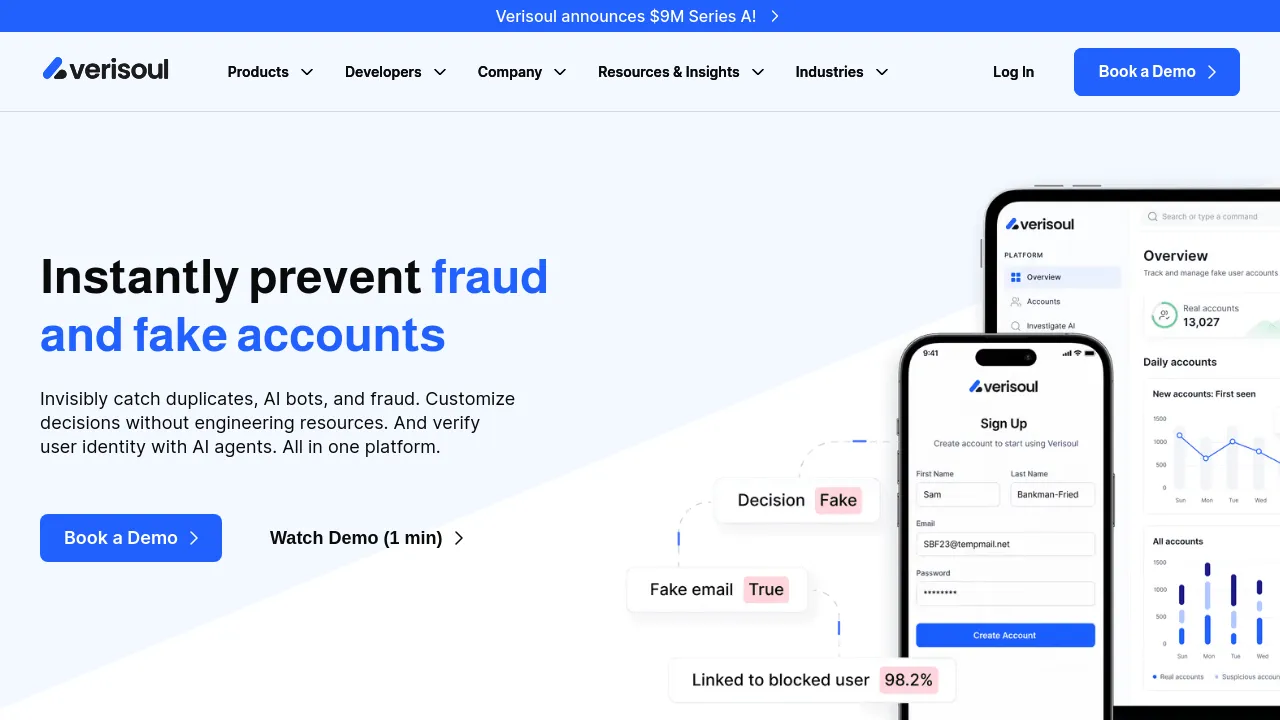
Security and compliance tools cover the defensive side of running software: vulnerability scanning, secrets management, access control, audit logging, and the compliance platforms that turn SOC 2 or ISO 27001 from a year-long ordeal into a manageable project.
The category splits into two audiences. Security tools are for engineers — dependency scanners, SAST, web application firewalls, penetration testing. Compliance platforms are for the business — they monitor your infrastructure for control violations and generate the evidence auditors need, which is what actually sells B2B deals.
When choosing, be honest about who you're satisfying. If a customer is asking for SOC 2, a compliance platform is the direct answer. If you're hardening production, start with the scanner that covers your stack and a secrets manager, and skip anything that generates reports nobody reads.
Frequently asked questions
- When does a startup actually need SOC 2?
- When your customers ask for it — almost always B2B, usually triggered by a real deal that stalls without it. Doing it earlier than that spends months of time and money on a badge nobody required. Compliance platforms compress the timeline from about a year to a few months.
- What does a compliance platform automate?
- The evidence collection and monitoring, not the policies themselves. They connect to your cloud, code hosting, and HR tools, watch for control violations (unencrypted buckets, employees without MFA), and generate the auditor-ready evidence trail. You still write policies and fix what it finds.
- Is a vulnerability scanner enough to call myself secure?
- No — scanning catches known-bad patterns (outdated dependencies, exposed ports, misconfigurations) but says nothing about access control, secrets handling, or whether your team follows safe practices. It's one layer, usually combined with dependency scanning, a WAF, and decent ops hygiene.
- Do I need a pentest on top of automated tools?
- For most early startups, no — fix what the scanner finds first. Pentests earn their cost when you're shipping something high-risk, a customer contract requires one, or you've built custom crypto/auth logic a scanner can't reason about.
New tools, once a week.
One weekly email with curated tools and founder insights. Unsubscribe anytime. Check our privacy policy.