Categories / Product Analytics
Product Analytics
A curated collection of the best software for tracking how people use websites and apps, helping product managers and growth teams understand user behavior — 10 tools on Founderkit.
10 tools
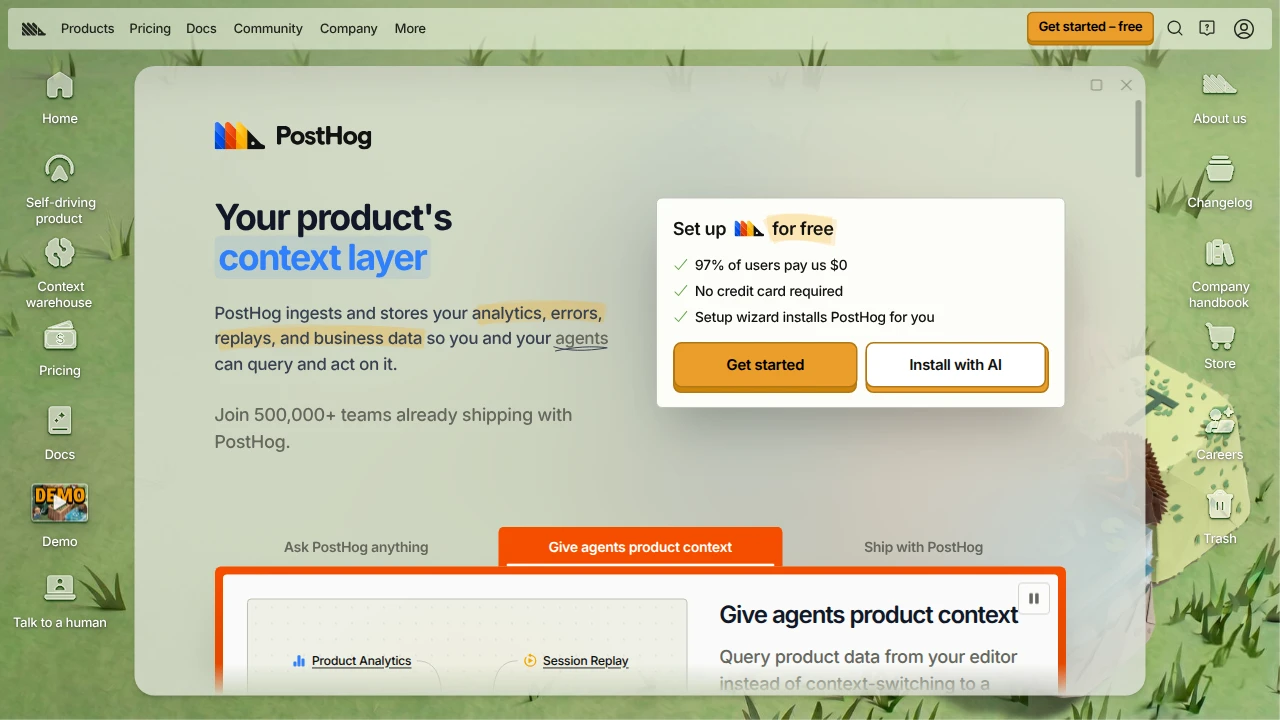
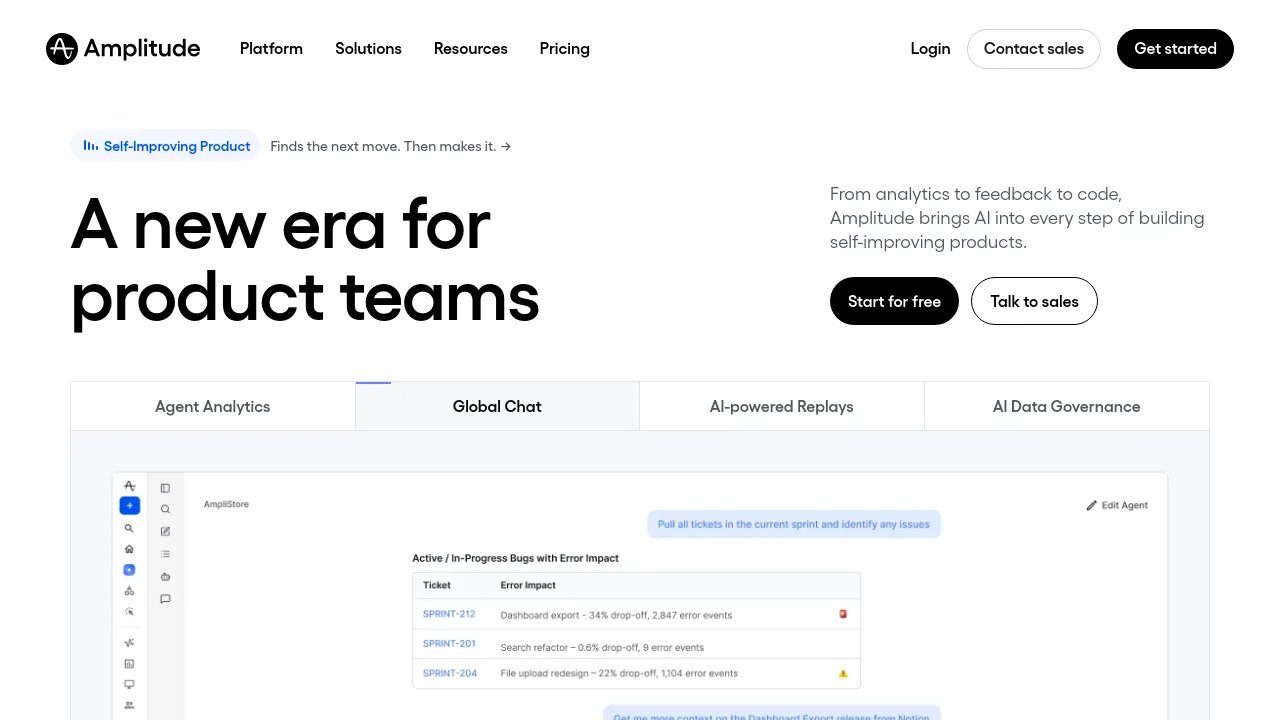
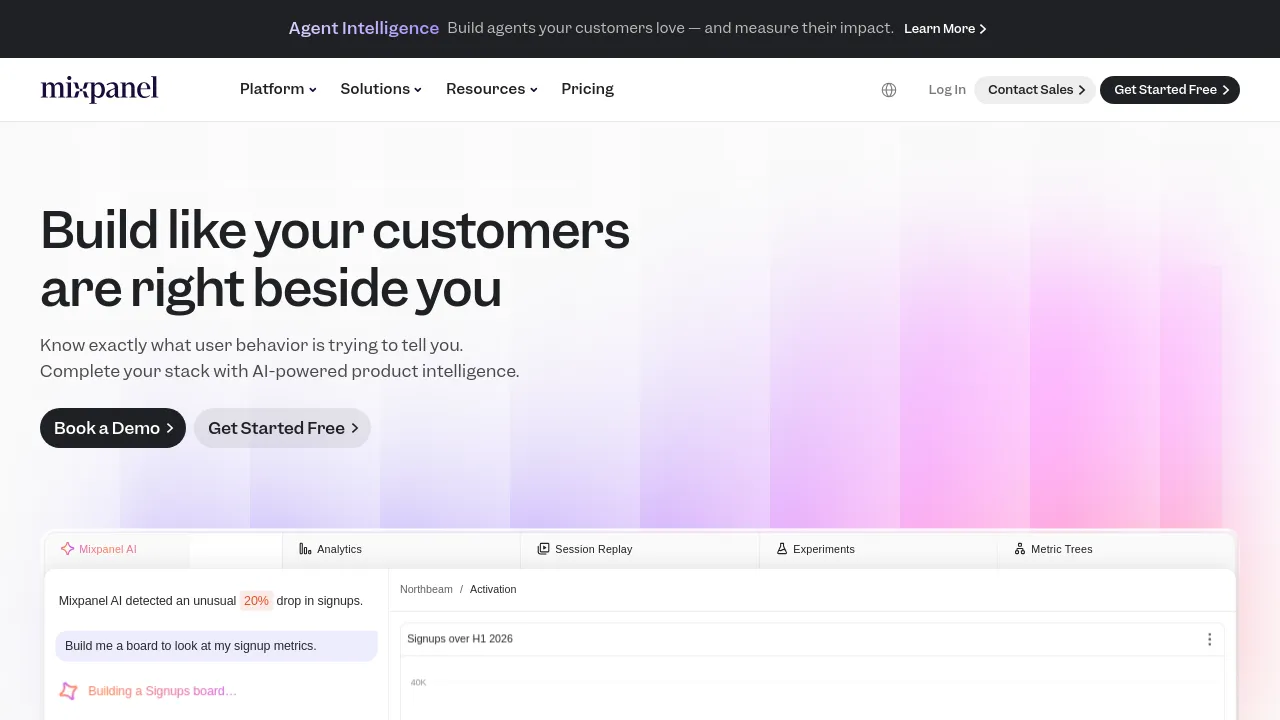

Product analytics tools track what users do inside your product: events, funnels, retention cohorts, feature adoption, and user journeys. They're how product teams answer 'did that launch work?' and 'where do people get stuck?' with data instead of opinions.
The category separates from web analytics on one axis: identified users over time. Where web analytics counts sessions and pageviews, product analytics follows a user through activation, retention, and churn — which is why funnels and cohorts are the core reports and pageviews barely matter.
When choosing, check the event model (autocapture vs. explicit), the quality of funnel and retention reporting, and how data gets in and out — warehouse sync matters if your data team lives in SQL. Pricing is the landmine: per-event or per-user models that look cheap at 1k users get real at 100k. Self-hosted options exist for the cost-sensitive and the privacy-strict.
Frequently asked questions
- How is product analytics different from Google Analytics?
- GA answers marketing questions — where traffic comes from, which pages get views. Product analytics answers product questions — which signed-up users did what, where they drop in a funnel, whether they come back. If you're measuring website visitors you want web analytics; if you're measuring in-app behavior you want product analytics.
- What should I track first?
- The moments that define value: signup, activation (whatever 'aha' means for your product), and the core action users come back for. Five well-chosen events beat fifty noisy ones. Instrument the activation funnel first — that's where the actionable insight lives.
- Do I need autocapture or explicit event tracking?
- Explicit events, mostly. Autocapture is convenient for retroactive questions but produces noisy data that's hard to trust for decisions. The winning pattern is a small set of deliberately named events for the questions that matter, plus autocapture as a safety net if the tool offers it.
- When does pricing get scary in this category?
- When your event volume or tracked-user count crosses the free tier cliff — several tools price per monthly tracked user and the jump is sharp. Model your expected volume before choosing, and know that self-hosted or flat-rate options exist if you outgrow the free tiers fast.
New tools, once a week.
One weekly email with curated tools and founder insights. Unsubscribe anytime. Check our privacy policy.