Categories / HR & Recruiting
Hr & recruiting
A curated collection of the best applicant tracking and onboarding tools that recruiters and HR teams use to hire people and look after them once they start — 26 tools on Founderkit.
26 tools
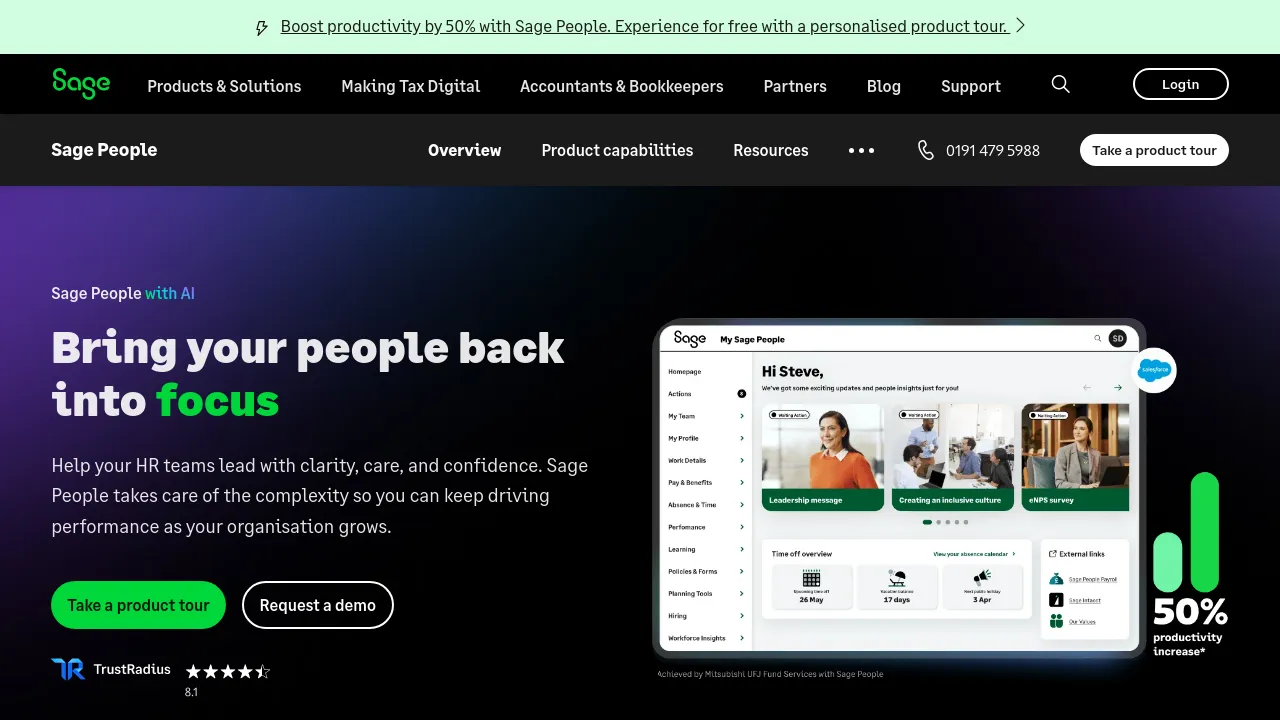
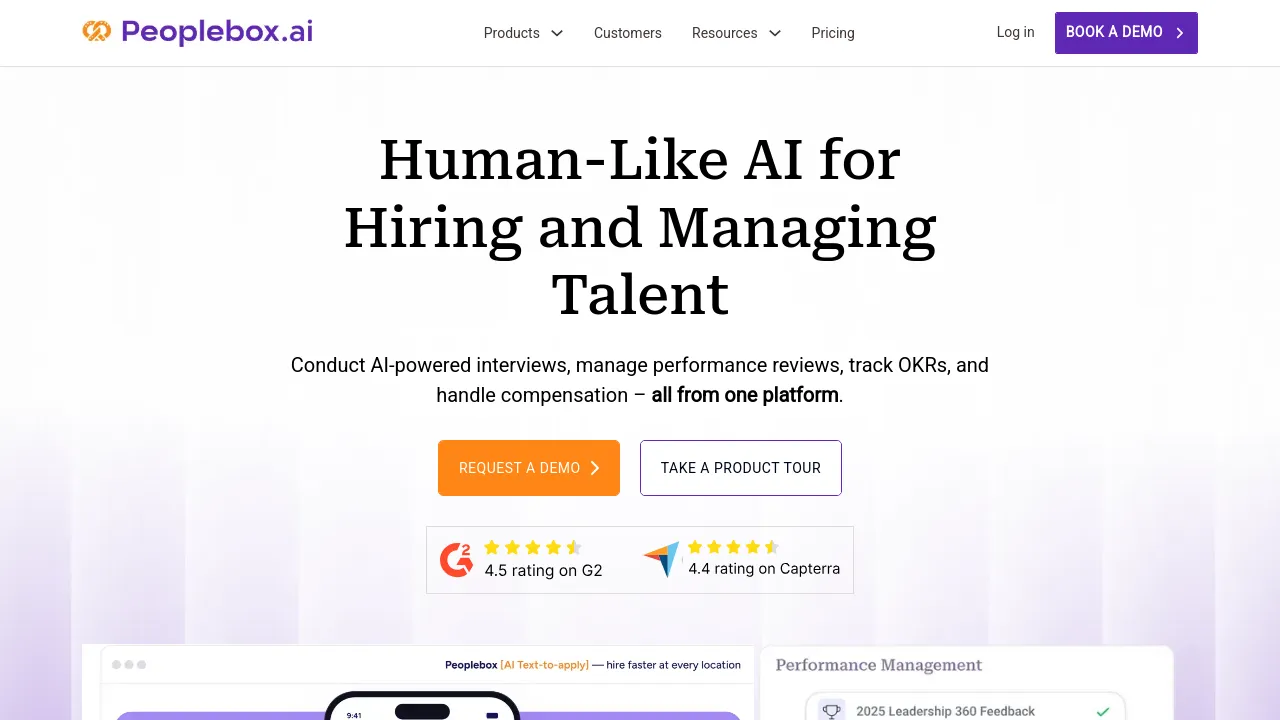
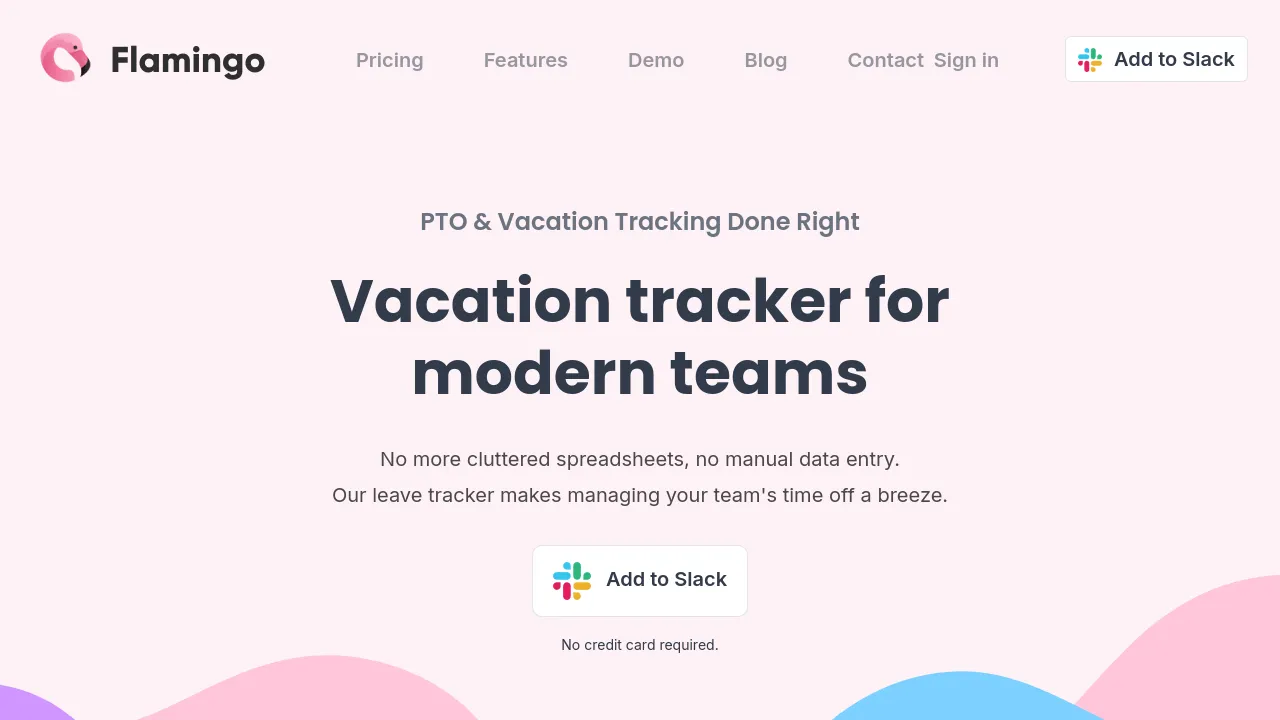

HR and recruiting tools handle the people side of a company: applicant tracking, job posting, interview scheduling, employee records, time off, onboarding, payroll, and — increasingly — global hiring through employer-of-record services.
The category splits by company stage more than by features. Early teams need an ATS and maybe a simple HRIS — somewhere to run a hiring pipeline and keep employee records out of spreadsheets. Scaling companies add payroll, performance management, and benefits. The EOR layer is its own thing: it solves the legal problem of employing someone in a country where you have no entity.
When choosing, match the tool to headcount — enterprise HRIS platforms are painful overkill at ten people. For an ATS, the features that matter are career page quality, how easy scheduling is for candidates, and whether your interviewers will actually use the scorecards. Check integration with your calendar and payroll before anything else.
Frequently asked questions
- When does a startup need an ATS?
- Around the fifth or tenth hire — whenever a spreadsheet of candidates starts dropping balls. The trigger is usually coordination: multiple interviewers, several open roles, candidates in different stages. An applicant tracking system is mostly a shared inbox and pipeline for hiring.
- What's the difference between HRIS and payroll software?
- HRIS is the system of record — employee data, org charts, time off, onboarding, documents. Payroll is the money movement. Many HRIS platforms include payroll; many companies keep them separate. The overlap is real, so check which of the two your tool actually is before comparing features.
- Are AI resume screeners worth using?
- Carefully. They're good for ranking high-volume inbound on skills and experience; they're bad at judgment and can encode bias that creates legal exposure. Use them to sort, not to reject — a human should still decide who doesn't make the cut.
- Should I hire internationally through an EOR?
- For one or two people in a country where you have no entity, usually yes — an employer of record hires them legally on your behalf for a few hundred dollars a month each, versus tens of thousands to set up your own entity. At five-plus people in one country, compare the math.
New tools, once a week.
One weekly email with curated tools and founder insights. Unsubscribe anytime. Check our privacy policy.