Categories / Hosting & Cloud
Hosting & Cloud
A curated collection of the best web hosting and cloud servers that developers and businesses use to run their sites and applications without maintaining their own hardware — 22 tools on Founderkit.
22 tools
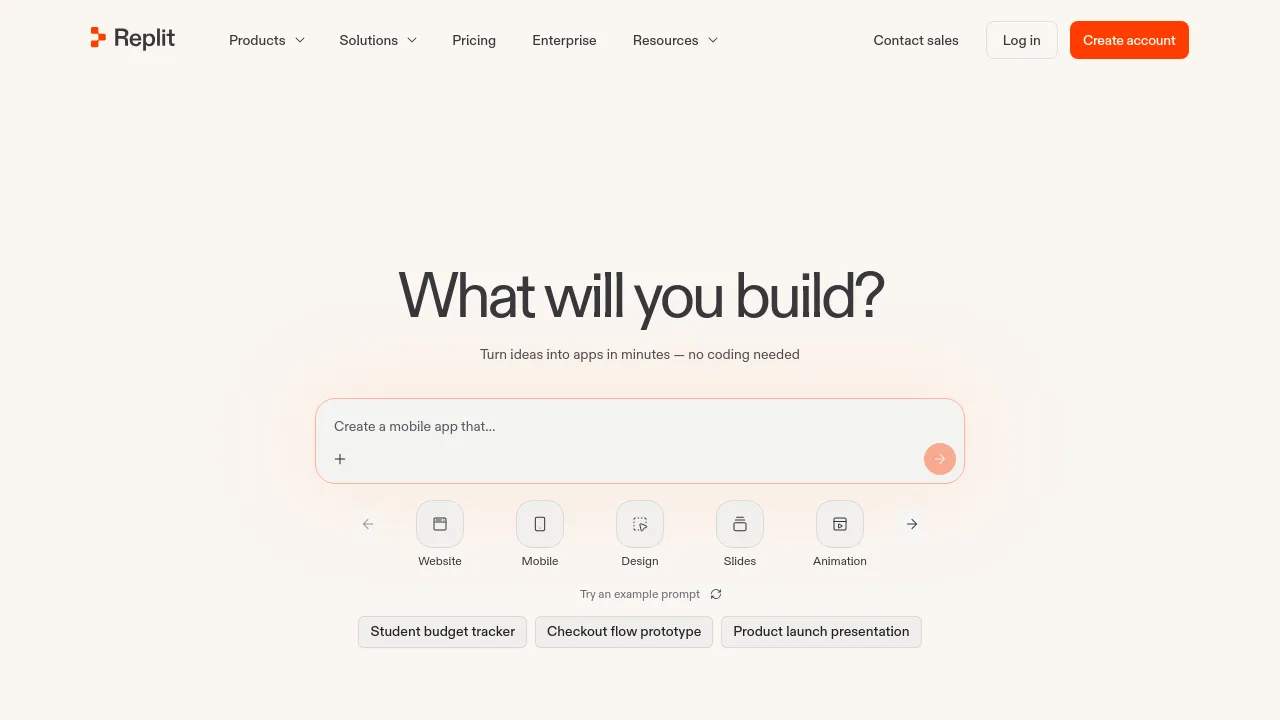
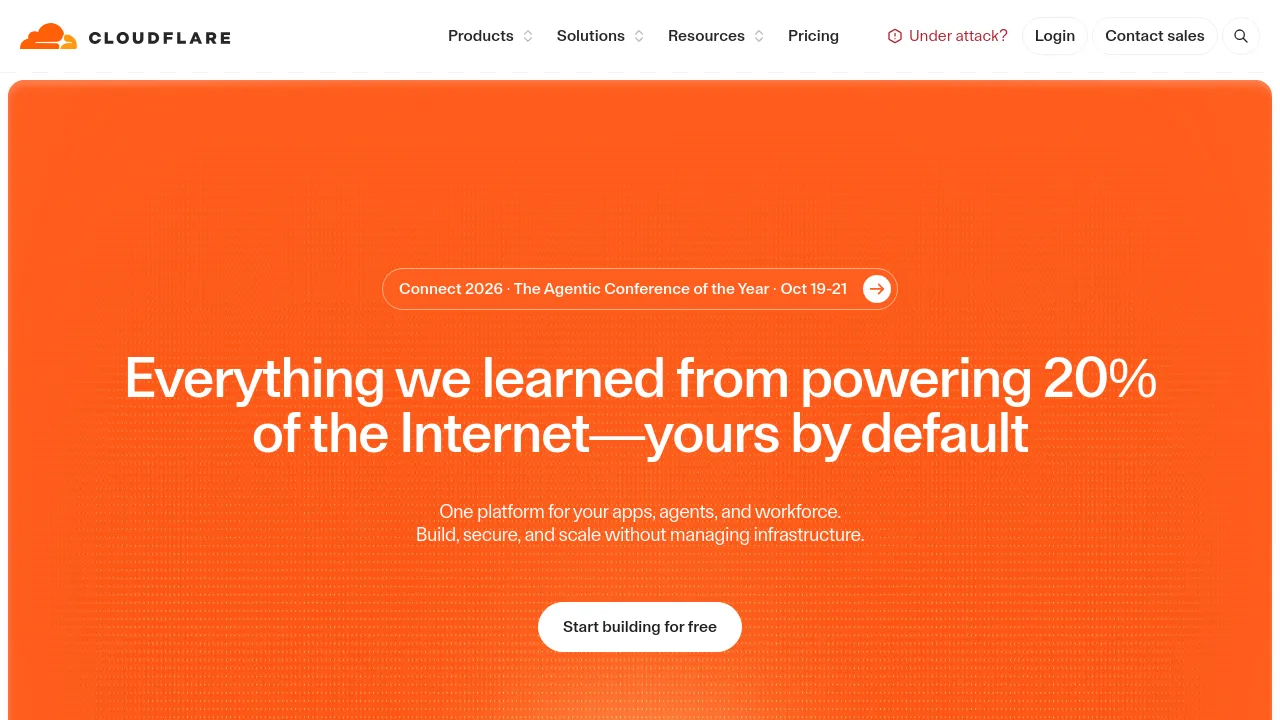
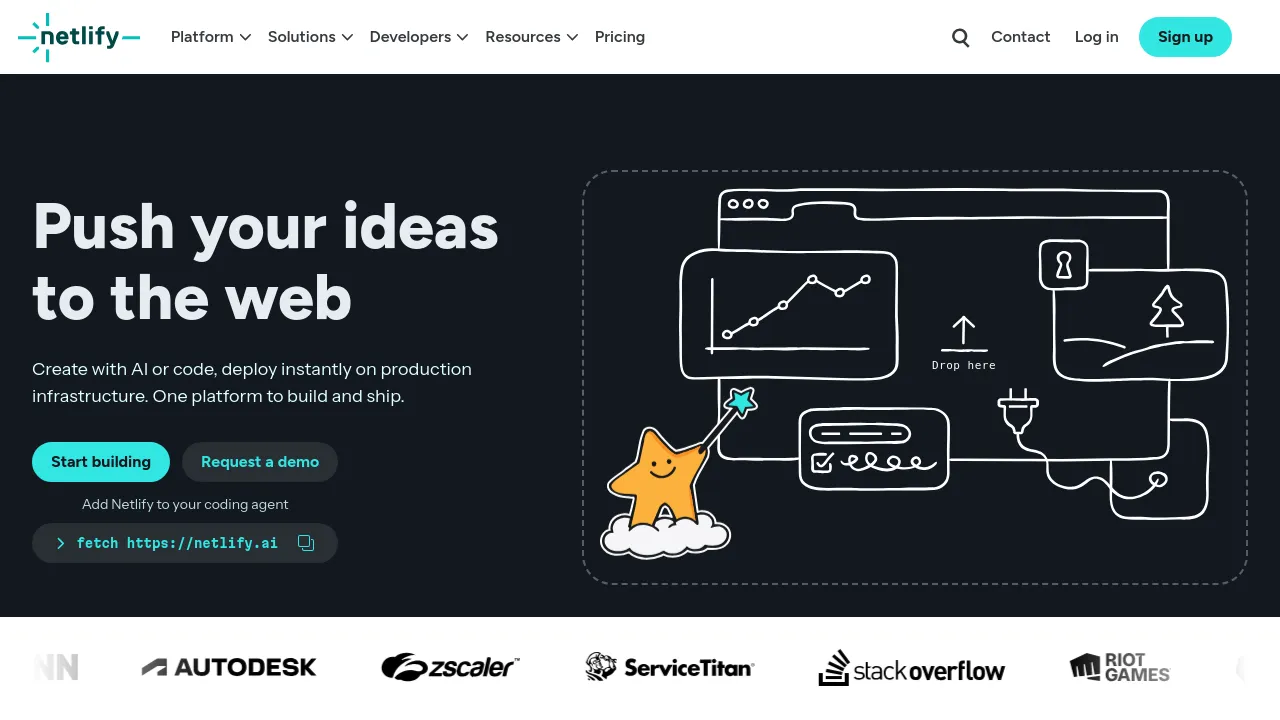

Hosting and cloud platforms run your code: deploy, scale, and serve applications without you managing servers. The category ranges from PaaS platforms that take a git push to production, to edge networks that run code near users, to the raw compute of the big clouds.
The dividing line is abstraction. High-abstraction platforms handle builds, scaling, TLS, and CDN — you ship features, they ship infrastructure. Low-abstraction clouds give you every dial and every responsibility. In between sit container platforms and serverless runtimes that split the difference, plus managed databases and storage that pair with all of them.
When choosing, start from your workload shape: static sites, long-running servers, scheduled jobs, and bursty APIs each have natural homes. Watch pricing model — per-request, per-second, per-seat — because the cheap platform flips as you scale. And check the exit cost: how hard is it to take your app elsewhere if the relationship sours.
Frequently asked questions
- Should I use a managed platform or raw cloud infrastructure?
- For a small team, managed platforms (Vercel, Railway, Fly.io, Cloudflare) almost always — you trade some cost and control for zero ops. Raw AWS/GCP pays off when your workload is unusual, your scale makes managed pricing hurt, or compliance demands it. Most startups don't hit that point for years.
- Is serverless actually cheaper?
- At low and spiky traffic, clearly — you pay for what you use and zero at idle. At steady high load, a cheap VPS often wins on raw compute price. The honest accounting includes your time: serverless trades bill money for ops time, which is a good deal until the bill is bigger than a salary.
- What's the catch with free tiers?
- Limits and leverage. Free tiers are real and generous — fine for side projects and validation — but they hit ceilings on bandwidth, builds, or team seats right when you start succeeding. Nothing wrong with that; just read the overage pricing before you're locked in.
- How much does the region/edge question matter?
- More than people expect for latency-sensitive apps — serving from a region near your users, or from edge locations globally, can be the difference between snappy and sluggish. For internal tools and async jobs it barely matters. Check where your users are before picking a region strategy.
New tools, once a week.
One weekly email with curated tools and founder insights. Unsubscribe anytime. Check our privacy policy.