Categories / Banking & FinOps
Banking & FinOps
A curated collection of the best tools for managing company bank accounts and tracking spending and cloud infrastructure costs, used by finance and engineering teams — 8 tools on Founderkit.
8 tools
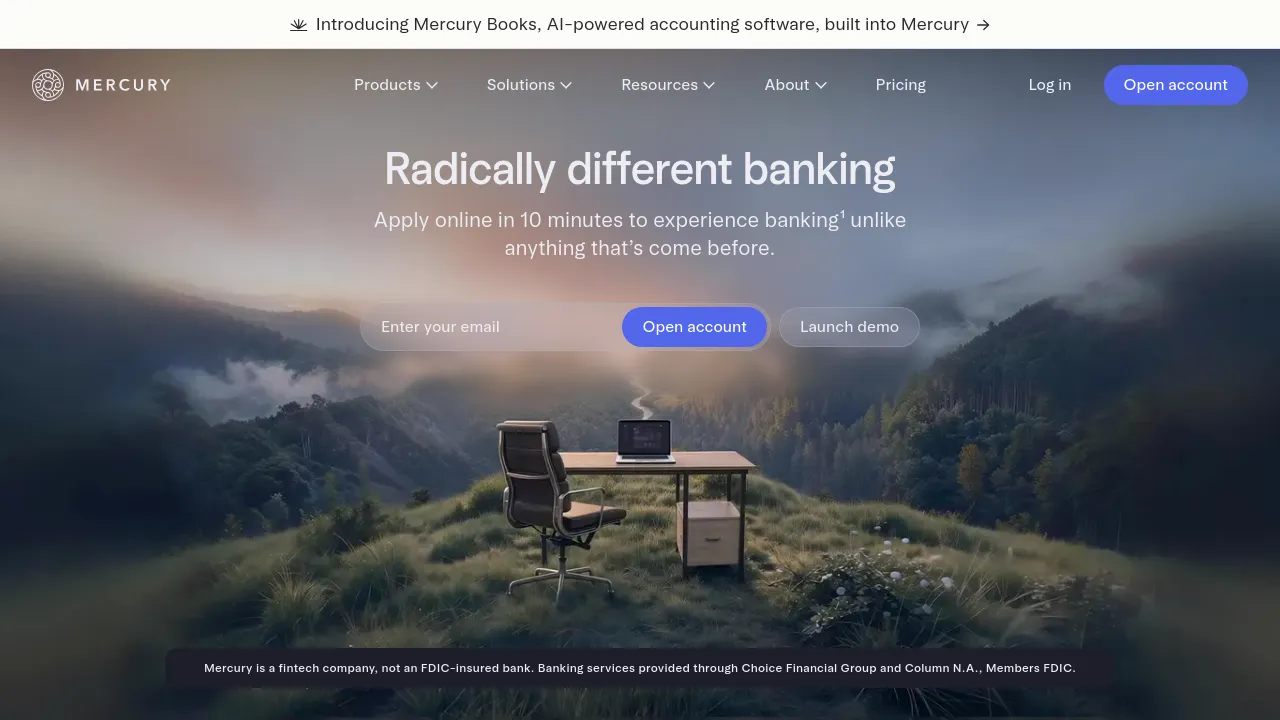
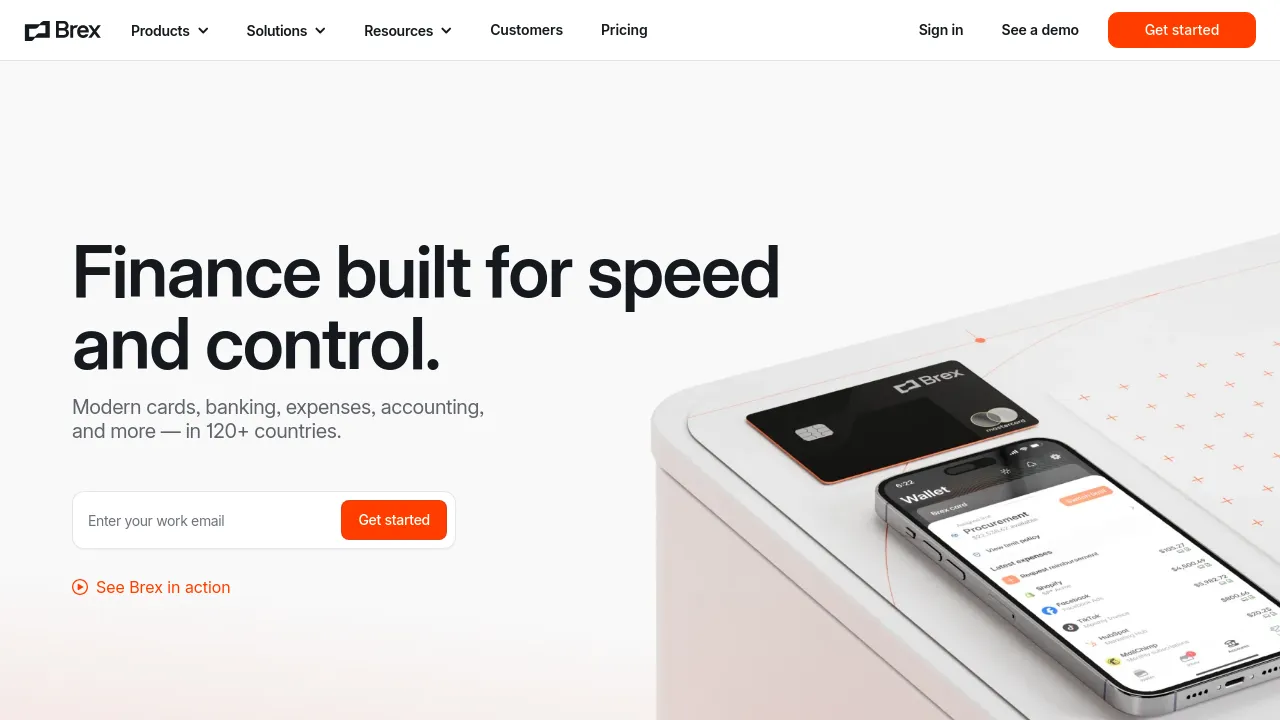
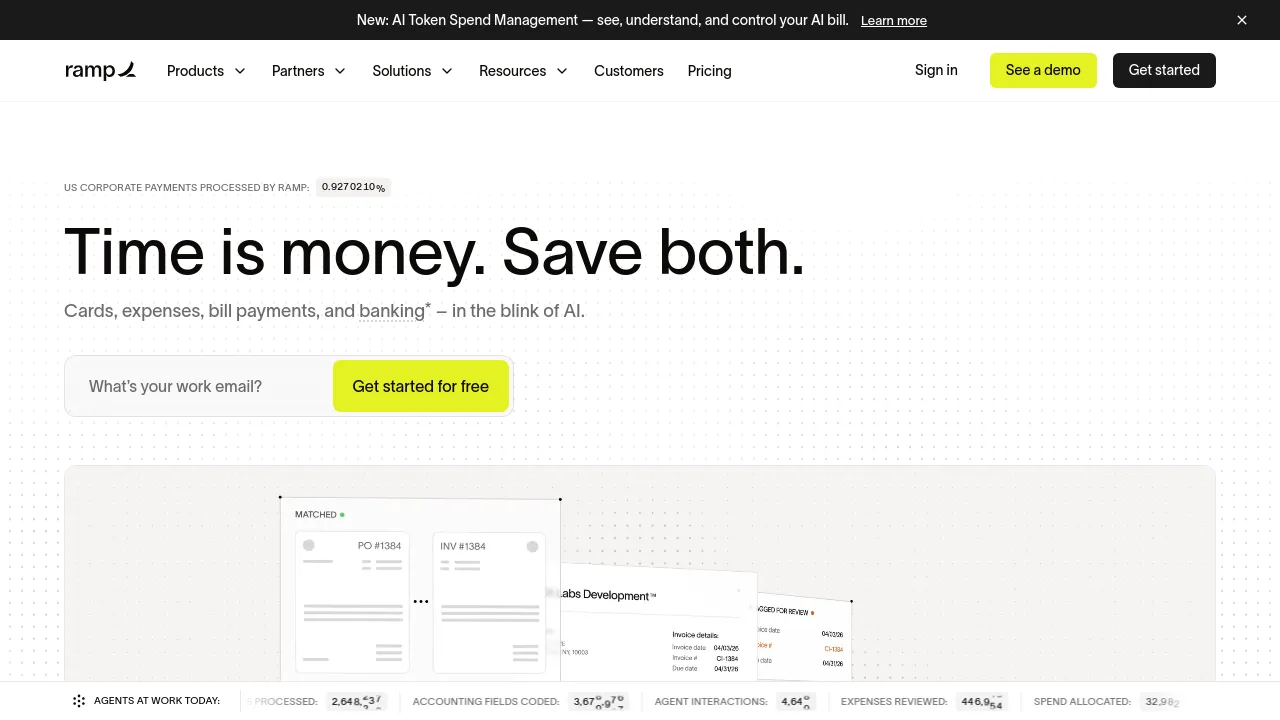
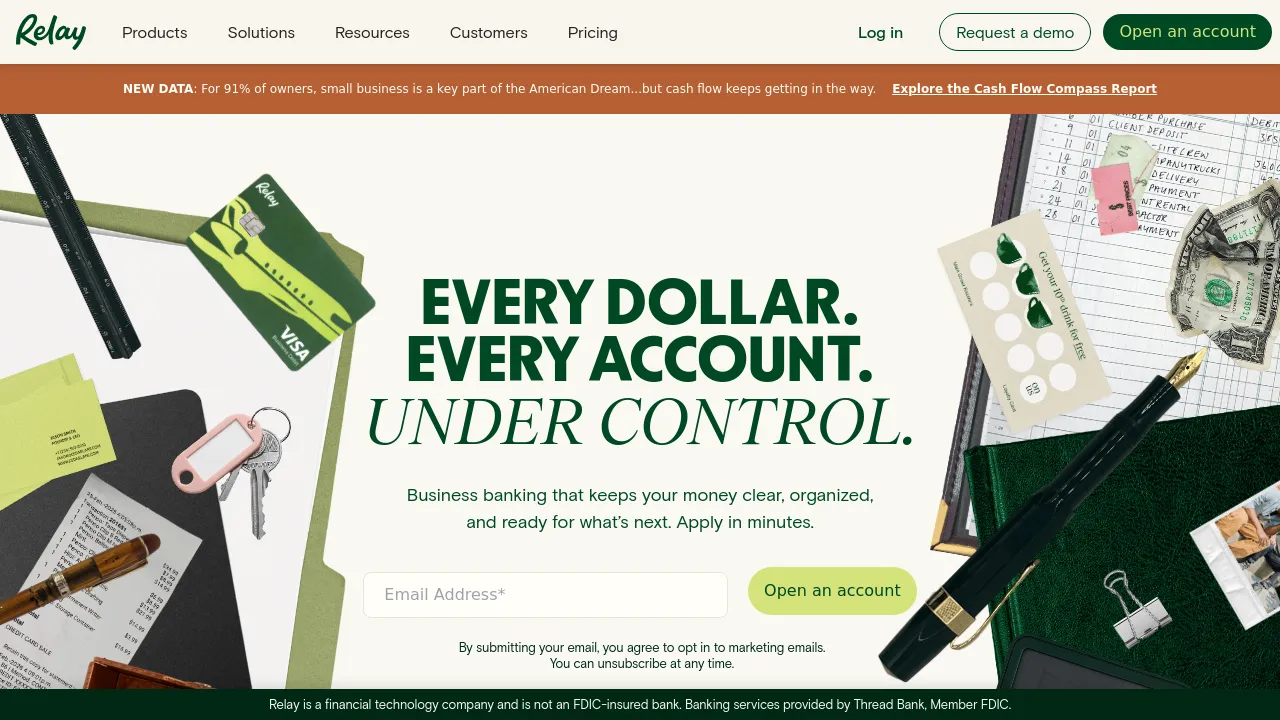

Banking and FinOps tools cover how companies hold and spend money: business checking accounts and neobanks, corporate cards with controls, expense management, bill pay, and treasury for larger balances.
The category reinvented itself around software. Traditional business banking was a branch and a monthly statement; modern fintech stacks give you instant account setup, unlimited virtual cards, per-card spend rules, automatic receipt matching, and real-time visibility into where money goes. For a startup, the account setup that took weeks now takes a day.
When choosing, confirm the FDIC pass-through structure — which partner bank, how the insurance applies. Then compare what you'd otherwise stitch together: cards, expense tracking, bill pay, and reimbursements in one platform removes a lot of month-end pain. Watch for interchange-based pricing and rewards structures that pay more the more you deposit.
Frequently asked questions
- What is a 'neobank' for business?
- A tech company offering business accounts on top of a partner bank's charter — the banking is FDIC-insured through the partner, but the interface, cards, and workflows are the neobank's. You get modern software and fast setup; the underlying bank is a traditional institution you never interact with.
- What do spend-management tools actually control?
- Company cards with rules — per-card limits, category restrictions, receipt matching, and virtual cards for one vendor or one purchase. The pitch is visibility: every expense categorized in real time instead of a monthly chase for receipts. It changes expense reports from archaeology into a feed.
- Should I separate banking, cards, and bill pay, or bundle them?
- Bundle until it hurts. The all-in-one fintech stacks (account + cards + bill pay + reimbursements) remove real integration pain and are usually free or cheap. Split when a specific need outgrows them — international wires, complex treasury, credit lines — which is a good problem to have.
- How safe are fintech business accounts?
- Legitimate ones carry FDIC insurance through partner banks — confirm the named bank and how the insurance passes through (some use sweep networks that spread it across banks). The risk isn't usually the platform; it's keeping large balances somewhere with less protection than you assumed.
New tools, once a week.
One weekly email with curated tools and founder insights. Unsubscribe anytime. Check our privacy policy.