Categories / Accounting
Accounting
A curated collection of the best software for bookkeeping and financial reporting, used by small businesses and accountants to keep their books in order — 33 tools on Founderkit.
33 tools
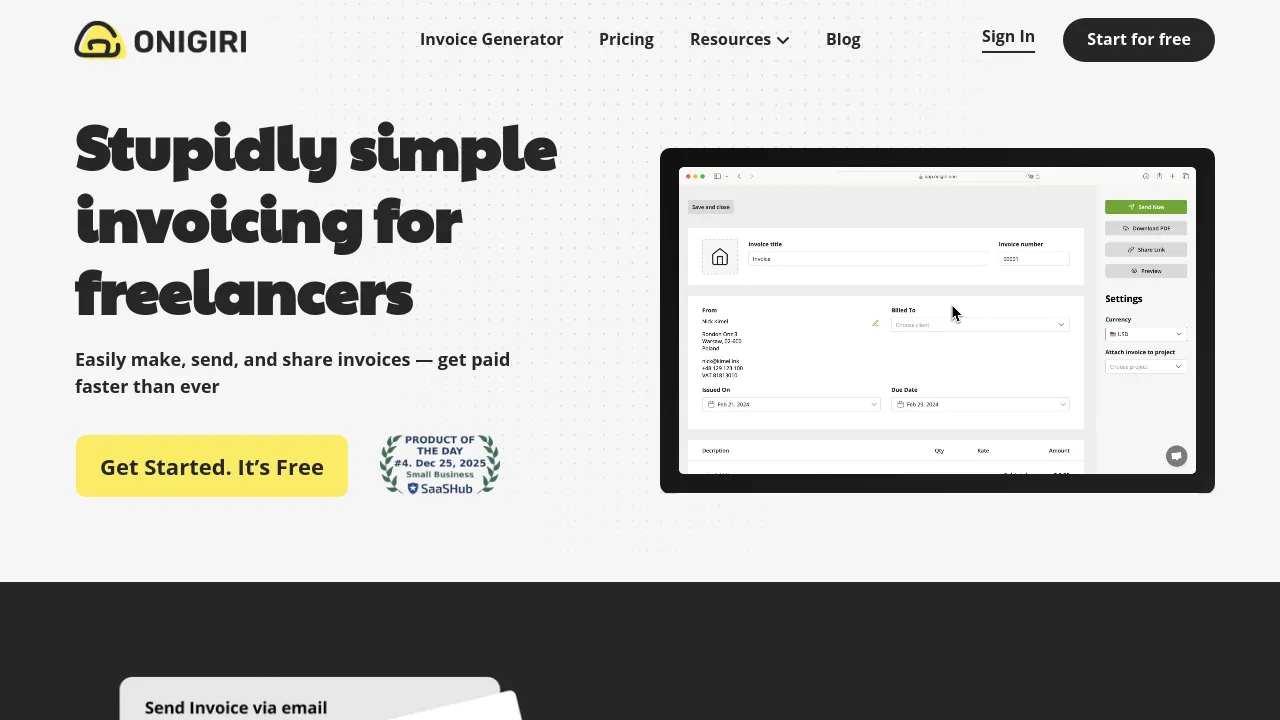
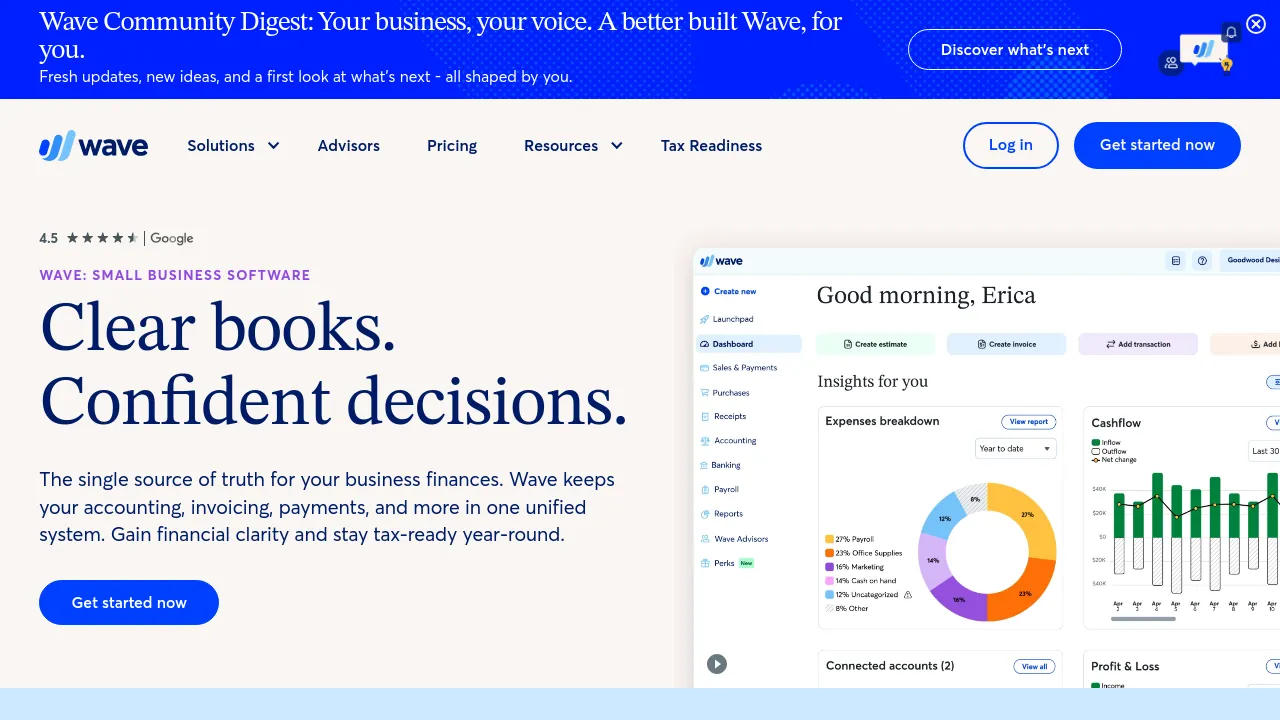
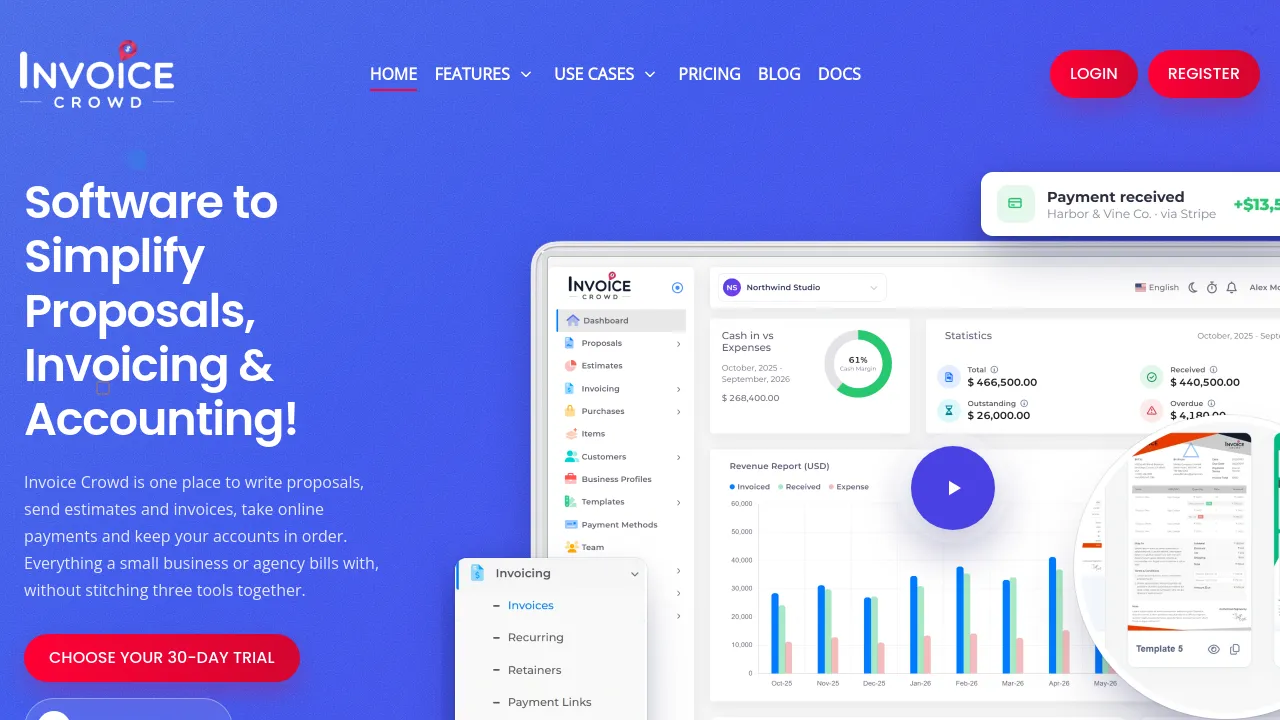
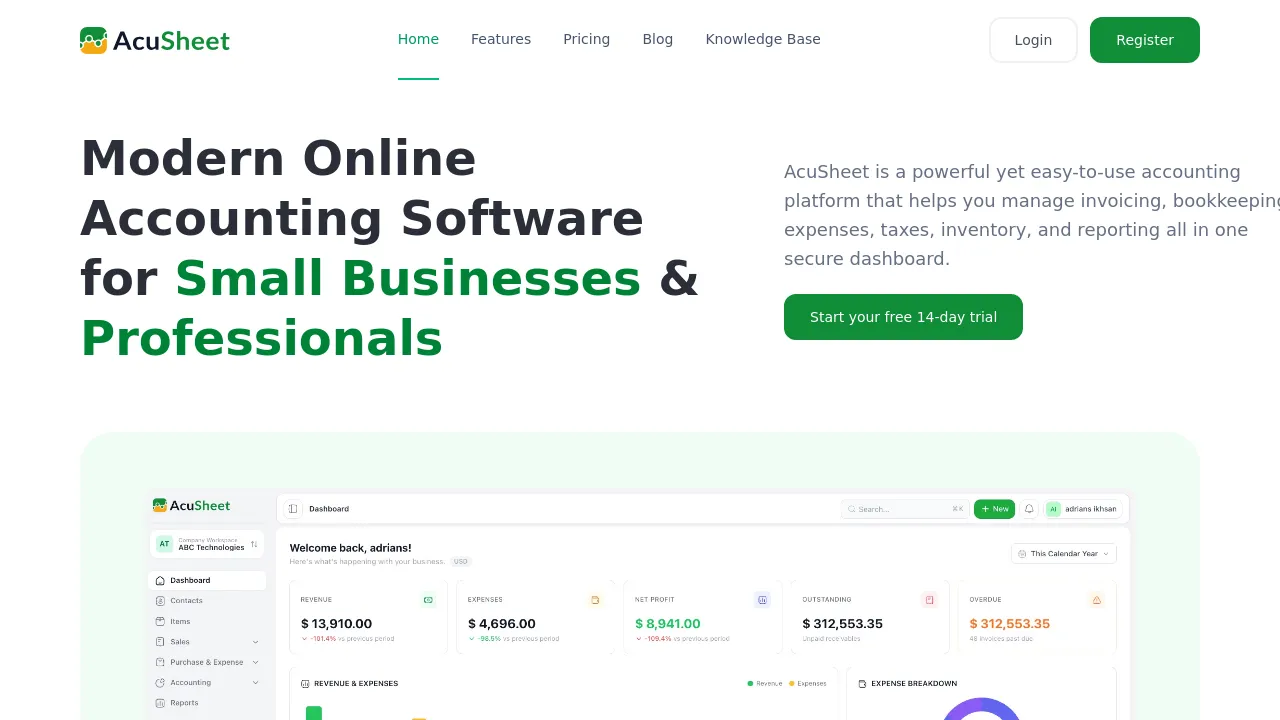

Accounting tools keep a business's books: income and expense tracking, bank feed reconciliation, invoicing and payments, payroll, tax preparation, and the financial reports (P&L, balance sheet, cash flow) that tell you whether the business is working.
The category spans from simple invoicing tools for freelancers to full general-ledger accounting for companies with real finance needs. Most early startups sit in the middle: connect the bank, categorize automatically, invoice clients, and hand a clean set of books to an accountant at tax time.
When choosing, verify the bank connections first — a flaky feed poisons everything downstream. Then check what your accountant uses (clean handoff beats a theoretically better tool) and what the pricing looks like once you add payroll or multi-user access, which often sit on higher tiers.
Frequently asked questions
- When does a startup need real accounting software?
- Earlier than founders expect — basically once money moves regularly. The pain of untangling a year of unrecorded transactions at tax time far exceeds the monthly fee, and investors ask for clean books at exactly the wrong time to be catching up.
- Do I still need an accountant if I have accounting software?
- For taxes and anything beyond simple bookkeeping, yes — software records and categorizes, an accountant advises and files. Many tools are built for your accountant to log in directly, which keeps the collaboration painless.
- What's the difference between bookkeeping and accounting tools?
- Bookkeeping is recording what happened — transactions, reconciliation, categorization. Accounting software does that plus invoicing, bills, payroll, and financial reports. Some newer tools automate the bookkeeping layer with AI categorization; the reporting layer is the same problem either way.
- How important is bank integration?
- Essential — automatic transaction import is what makes modern accounting bearable. Check that your actual bank connects reliably and how often it syncs; flaky bank feeds are the most common complaint in this category.
New tools, once a week.
One weekly email with curated tools and founder insights. Unsubscribe anytime. Check our privacy policy.